
CSA Session: Strategies for Engaging in Sociology Beyond the Ivory Tower
Congress of the Humanities and Social Sciences
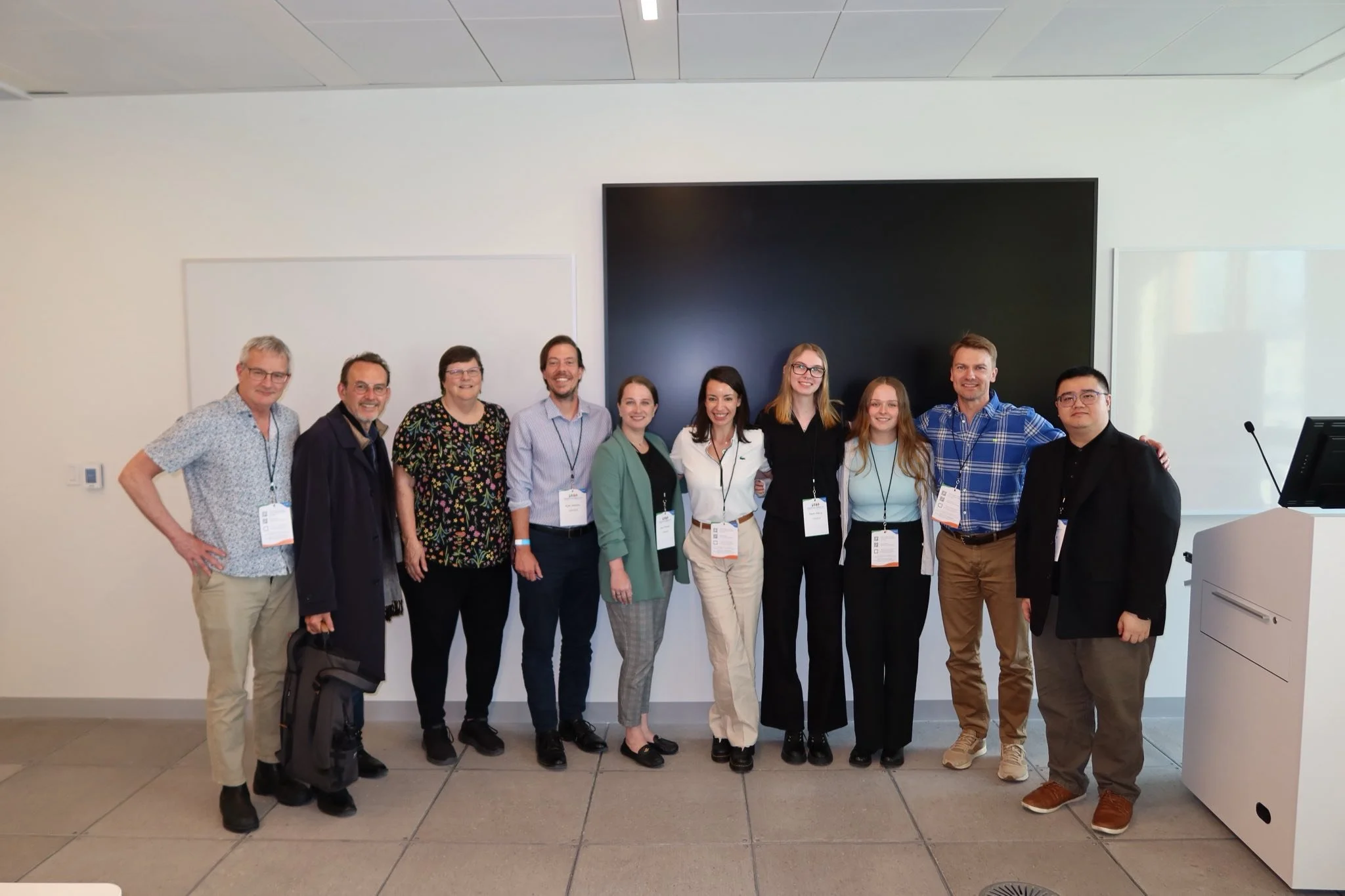
George Brown College, Toronto Ontario
In a time of increased austerity, stratification, authoritarianism, and skepticism of what value sociology brings to the world, public sociology holds a more important role than ever in resisting oppression and the continued attacks on the social sciences. Research for social impact demands more than academic rigour; it requires active partnerships with academics, students, communities, governments, and not-for-profit organizations. This session showcases both completed and in-progress projects that illustrate evolving methodologies, pedagogies, strategies, and politics necessary to conduct sociology with communities rather than for them. Presenters will explore research addressing pressing social issues such as homelessness, intimate partner violence, gender-based violence, poverty, and forced displacement through applied case studies that foster meaningful change and shared ownership of research. Discussions will offer insights into reimagining traditional methods, applying adaptive pedagogies, and navigating complex challenges like power dynamics, intersectionality, communication barriers, and ethical considerations. Emphasizing practical techniques for fostering trust and reciprocity, this session highlights actionable strategies to collaborate with non-academic partners at every phase of research, from design through data collection, analysis, and dissemination. By fostering knowledge exchange, this session provides attendees with insights into building inclusive, impactful sociological practices that bridge academic work with community needs to position sociology as a driver of social change. Scholars, practitioners, and students are invited to reflect on sociology’s evolving role and explore ways to commit sociology to achieve tangible benefits for society beyond the ivory tower.
Adaptive Methods for Community-Centred Insights: Bridging Gaps in Gender-Based Violence Crisis Lines
The description for the presentation Madison and I did:
Applied sociological research offers transformative potential when grounded in collaboration and shared ownership with community partners. This presentation explores a unique ministry-funded initiative that brought together government, academia, and community-based organizations to examine the landscape of gender-based violence (GBV) crisis lines in Ontario. The project aimed to better understand the diverse service delivery models, capacity challenges and strengths, best practices in delivery, and alignment with service objectives, offering a comprehensive view of the sector's complexities and opportunities for innovation. It exemplifies the value of reimagining traditional research methods to meet dynamic needs, emphasizing the importance of community knowledge, lived experience, and practical insights in shaping effective solutions. With stakeholders spanning government, community-based organizations, and crisis line providers, the initiative prioritized diverse research and engagement strategies, including environmental scans, interviews, focus groups, surveys, and engagement sessions. These methodologies pivoted in real time, responding to shifting stakeholder needs by adapting approaches and employing innovative strategies for engagement that leveraged existing technological resources. A commitment to flexibility and reciprocity allowed for the integration and co-creation of knowledge across diverse perspectives, ensuring the research remained inclusive and actionable. Through this case study, we explore the challenges in navigating complex power dynamics, addressing competing priorities, and fostering trust across diverse actors. The presentation highlights strategies for conducting sociology with communities rather than for them, emphasizing equitable partnerships and shared ownership of research outcomes. These efforts underscore the importance of embedding flexibility, reflexivity, and collaboration throughout all phases of research. By reflecting on the project's successes and challenges, we offer actionable insights into fostering meaningful engagement, overcoming barriers, and creating pathways for research to drive social change. This case study demonstrates how applied sociology can connect academic expertise with community needs to deliver impactful, systemic improvements while positioning sociology as a catalyst for meaningful, real-world impact.
In this presentation we also talked about our We-Spark project and the different challenges and strengths of the two projects - based on already existing partnerships and relationships vs. fostering new ones!